Table Of Content
- How long does it take for hair growth products to start working?
- Women's Rogaine Unscented 5% Minoxidil Foam
- Causes of permanent hair loss
- What is androgenetic alopecia?
- What are the best ingredients to look for in hair growth products?
- What is the prognosis for hair loss in women?
- What is hair loss in women?
- Supplements to consider

That's because your estrogen levels drop after childbirth. If you're losing hair while pregnant, ask your doctor if you might have a dietary deficiency. Once the stress goes away, your hair may get back to normal in 6-9 months. Because hair is constantly falling out and growing, hair loss often goes unnoticed. You're more likely to notice it when a lot of hair enters the resting phase at the same time or if hair roots become damaged during the growth process. A 2020 study tracked 79 women taking spironolactone daily (doses ranged from 25–200 mg) for a minimum of 6 months.
How long does it take for hair growth products to start working?
Even if you learn to manage your stress, that doesn’t mean the shedding will be controlled right away. Eventually the shedding improves on its own, but it is often distressing. Research on whether tretinoin alone can promote hair regrowth remains limited, but an older 2007 study suggests it shows promise as a treatment when combined with other medications.
Women's Rogaine Unscented 5% Minoxidil Foam
Taking steps to minimize and navigate stress before it overwhelms you could help lower your chances of experiencing physical side effects, like hair loss. If you suspect you could have a nutrient deficiency, ask your care team about testing to check your vitamin levels. Healthcare professionals can also help address other causes of nutrient deficiencies, such as eating disorders or health conditions that might block nutrient absorption. Interested in learning more about your treatment options?
Causes of permanent hair loss
Hair loss, known medically as alopecia, is fairly common. It's estimated, for instance, that around half of women aged 70 years or over experience female-pattern baldness – the most common type of hair loss, which is thought to be inherited. It’s common to lose around 100 hairs per day because of the typical growth cycle. If you’re losing more than that, talk with a doctor to rule out any underlying medical conditions before exploring your options. Corticosteroids, such as hydrocortisone and prednisone, are commonly prescribed (topically, orally, or through injections) to both alleviate inflammation and curb the autoimmune response. “These medications help suppress the immune system’s overactivity and encourage hair regrowth,” Dr. Mitchell explains.
An expert reveals how to deal with stress-related hair loss after Paloma Faith opens up - Women's Health UK
An expert reveals how to deal with stress-related hair loss after Paloma Faith opens up.
Posted: Wed, 17 Apr 2024 07:00:00 GMT [source]
This April marks Stress Awareness month in the US, a calendar moment designed to raise awareness of the pervasive and damaging nature of stress. While we know that stress is an undeniable factor in most people’s lives, its impact on so many aspects of our physical and mental health is perhaps more far reaching than we might imagine. Yes, treating the thyroid disease can reverse the hair loss. Left untreated, a sexually transmitted infection (STI) can lead to hair loss. Left untreated, syphilis can cause patchy hair loss on the scalp, eyebrows, beard, and elsewhere. If you receive chemotherapy or have radiation treatment to your head or neck, you may lose all (or most of) your hair within a few weeks of starting treatment.
By addressing the underlying cause and making some lifestyle changes, you may be able to stop or prevent hair loss. Transplants may be successful for some people depending on the cause of the hair loss. But you’ll need enough hair to donate to the transplant, and you’ll need to wait several months for it to grow. Getting platelet-rich plasma (PRP) injections into your scalp can help stimulate growth in areas already affected by hair loss. During this procedure, blood is run through a centrifuge to separate out the platelets and then injected into your scalp.

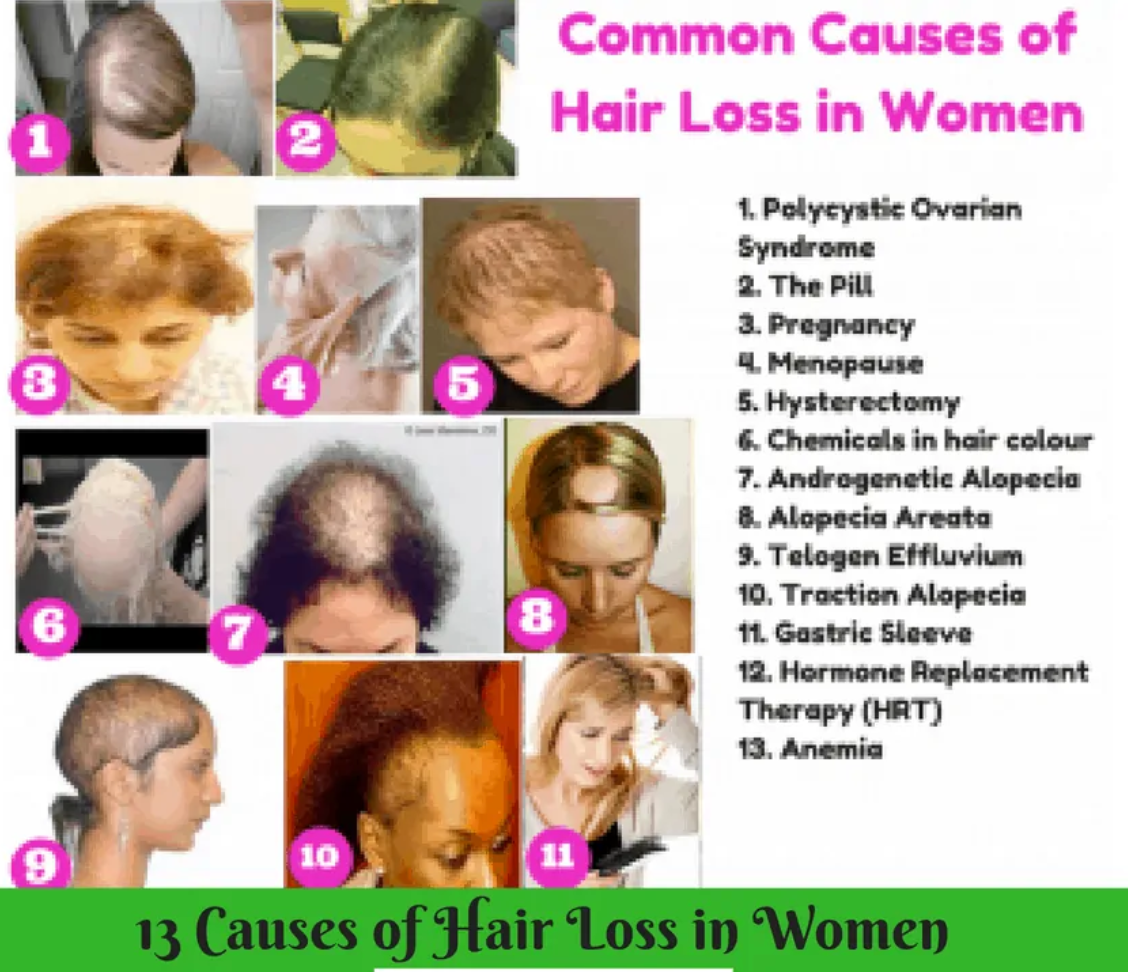
For some women, it’s connected to an underlying medical condition. Our team of menopause experts are experienced in treating symptoms related to menopause, including hair loss. A lot of different things contribute to hair loss, also known as alopecia, in women. The most common causes of sudden rapid hair loss, or telogen effluvium (TE), are stress and fluctuating hormones, especially after pregnancy. Hair might also fall out after a major illness or injury, but the shedding usually doesn’t happen until a few months later, regardless of the trigger.
What is hair loss in women?
“Avoid tight hairstyles and hair accessories that pull on the hair and handle your hair with care to minimise breakage and damage. Many people consider a full, healthy head of hair central to their appearance and self-confidence. If your hair begins to thin or fall out, that can be distressing. But you might find it helpful to know that there are several things you can do to help prevent hair loss or encourage hair growth. Spironolactone is another blood pressure drug that’s been shown to have anti-androgen effects (which is why it’s commonly prescribed as an off-label treatment for hormonal acne). It prevents androgen receptors from activating, which reduces the influence these hormones can have on your hair follicles.
In one study of 166 women taking spironolactone, 42% said they had mild improvement, and 31% reported increased thickness. Hair loss from any cause can be emotionally challenging. Talk to your healthcare provider about what may be causing your hair loss. In many cases, effective treatments exist that can slow hair loss and help spur new hair growth. And many people find ways to thrive and feel great, no matter how much — or how little — hair they have. Some conditions causing temporary hair loss will resolve themselves without treatment, or with a few lifestyle changes.
Natural oils like argan oil, Jamaican black castor oil or olive oil may help. Over-the-counter products, such as minoxidil, laser caps or helmets, may provide some benefit. It takes up to four months for any of these treatments to work. If after four months there is no improvement, then it’s time to make an appointment with a doctor. That’s something doctors at the Victoria Barbosa, MD, MPH, leads the program. After a thorough examination to identify the type of hair loss, each patient receives a personalized care plan.
In a small 2014 study, 11 participants saw 30% more growth in thinning areas after 4 PRP sessions. Pricing ranges from $1,500 to $3,500 for your first 3 treatments, and it’s unlikely to be covered by insurance. Biotin — also known as vitamin H or B7 — is involved in fatty acid production in your body. This process is essential to the life cycle of hair, and you may experience hair loss if you have a biotin deficiency.
Different types of hair loss typically start at different ages. A common type of hair loss in women is an inherited condition known as androgenic alopecia, or female pattern hair loss. It usually begins when a woman is in her 40s or 50s, but it could start later, or as early as puberty. It starts with a gradual thinning of the hair, usually near the part.
Hair loss in women is natural part of the aging process, with most women experiencing hair loss after menopause. More than half of women ages 65 and older will experience some degree of hair loss. The medication works by prolonging the growth phase of hair, giving your hair more time to grow out. Otherwise known as Aldactone, spironolactone works to treat hair loss by acting on hormones.


No comments:
Post a Comment